Routine maintenance and inspections for electric vehicles (EVs) are essential to ensure their longevity, safety, and efficiency. While EVs have fewer moving parts and generally require less maintenance than traditional internal combustion engine vehicles, there are still several key areas that need regular attention. Here’s a list of routine maintenance and inspections typically needed for electric vehicles:
Primary High-Voltage Components
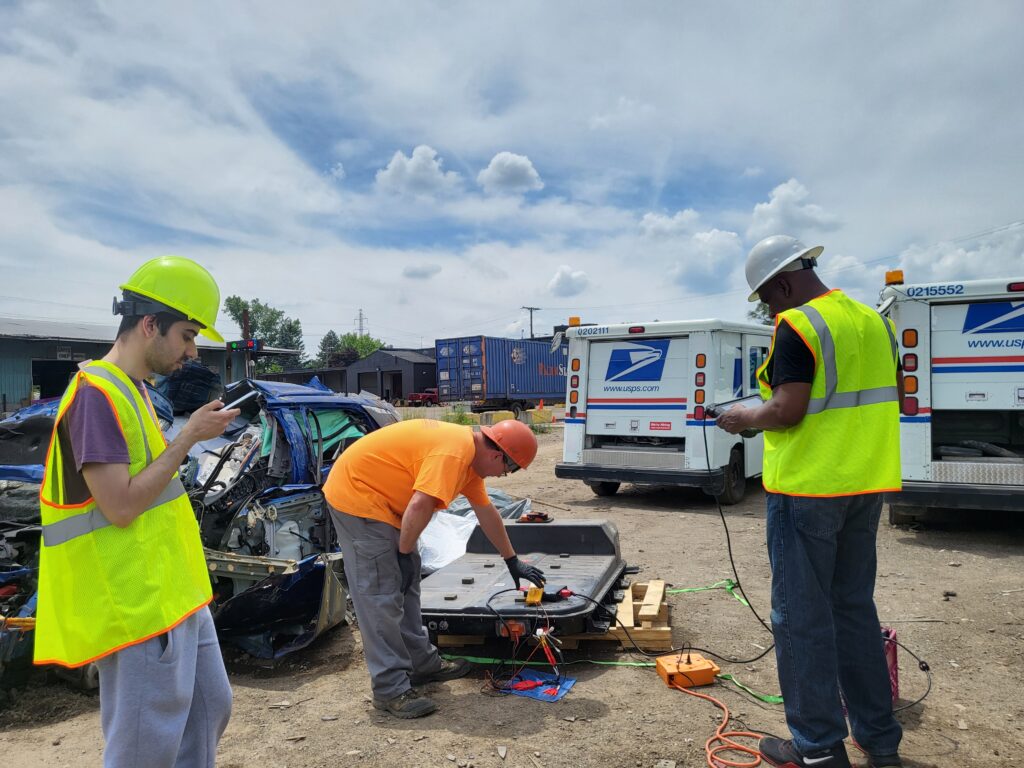
- Rechargeable Energy Storage System (RESS): The main traction battery pack is a 60 kWh lithium-ion assembly located under the vehicle floor (Recurrent Auto, 2025). It contains 288 individual cells arranged in 10 modules
- Single-Speed Electric Drive Unit: This housing contains the three-phase AC permanent magnet motor and the reduction gearset (transmission). It converts electrical energy from the battery into mechanical torque to drive the front wheels (eBay Motors, 2026).
- Power Inverter Module (PIM): Located in the motor compartment, the PIM (or Traction Power Inverter) converts the DC electricity from the battery into three-phase AC electricity to power the drive motor. It also handles regenerative braking by converting AC back to DC to charge the battery (GM OEM Parts Online, 2026).
- On-Board Charger (OBC): This module converts AC power from a Level 1 (120V) or Level 2 (240V) charging station into DC power to charge the high-voltage battery (ChargePoint, 2017).
- Accessory Power Module (APM): Often referred to as the DC-DC converter, this component reduces the high-voltage (350V+) DC from the traction battery to approximately 14V DC to power the vehicle’s 12V accessories and charge the standard 12V lead-acid battery (Seattle Automotive, n.d.).
- High-Voltage Air Conditioning Compressor: Unlike traditional vehicles, the Bolt uses an electric motor driven by the HV battery to run the A/C compressor, allowing the climate control to function without an idling engine.
- High-Voltage Coolant Heater: This resistive heater uses power from the HV battery to warm the cabin and maintain the battery pack’s thermal management system in cold weather.
1. Battery Health and Management
- Battery Cooling System: Check coolant levels and inspect for leaks.
- Battery Capacity: Monitor battery cell health and state of charge (SOC) regularly.
- High-Voltage Cables: Inspect for any signs of wear, corrosion, or damage.
2. Braking System
- Brake Pads and Rotors: Due to regenerative braking, brake pads may last longer but still require periodic inspection.
- Brake Fluid: Check fluid levels and condition, and replace as needed.
3. Tires
- Tire Pressure: Regularly check and adjust tire pressure to the manufacturer’s recommended levels.
- Tire Tread: Inspect tread depth and wear patterns, rotate tires as needed.
4. Suspension and Steering
- Suspension Components: Inspect shocks, struts, and other suspension parts for wear or damage.
- Steering System: Check for smooth operation and any signs of leaks in hydraulic systems if applicable.
5. Cooling System
- Coolant Levels: Check and top off as needed.
- Inspect Hoses: Look for any leaks, cracks, or wear.
6. Heating, Ventilation, and Air Conditioning (HVAC) System
- Cabin Air Filter: Replace according to the manufacturer’s schedule.
- HVAC Operation: Ensure that the system is functioning correctly, including the heat pump if equipped.
7. Software Updates
- Vehicle Firmware: Ensure that the latest software updates are installed, as these can improve efficiency, add features, and address any issues.
8. Electrical Systems
- 12-Volt Battery: Check the health of the auxiliary battery, which powers accessories and control systems.
- Lights and Signals: Test all exterior and interior lights, including turn signals, brake lights, and indicators.
9. Charging System
- Charging Ports: Inspect the condition of the charging port and connectors.
- Charging Equipment: Check the functionality and safety of home charging equipment, including cables and plugs.
10. General Inspections
- Body and Chassis: Look for any signs of rust, corrosion, or physical damage.
- Wiper Blades: Inspect and replace as necessary.
- Windshield Washer Fluid: Check levels and top off as needed.
These checks should be performed regularly according to the vehicle manufacturer’s recommendations to ensure optimal performance and safety.